
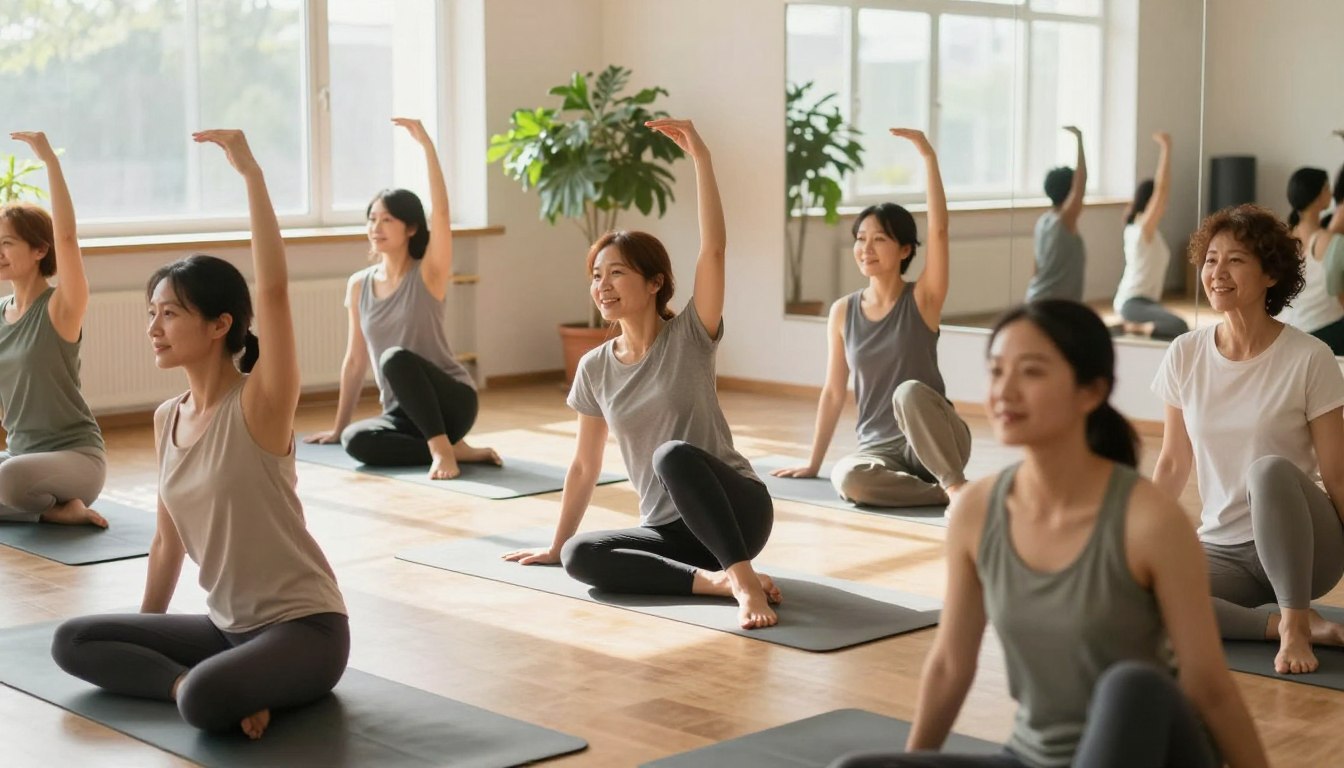
Did you know that nearly 80% of people abandon their new health routine within the first month due to burnout or physical strain? This startling statistic highlights why jumping into high-intensity training often leads to failure rather than progress. Instead, focusing on low-impact movement allows your body to adapt naturally while you build a solid foundation.
Starting your fitness journey should feel empowering, not exhausting. By prioritizing consistency over intensity, you create sustainable habits that last a lifetime. This beginner exercise guide provides the tools you need to move with confidence. Whether you are returning to activity or starting fresh, choosing a gentle exercise for beginners approach ensures you stay injury-free while reaching your goals. Remember, every great transformation begins with a single, safe step.
Key Takeaways
- Prioritize consistency over high-intensity workouts to ensure long-term success.
- Low-impact activities significantly reduce the risk of common training injuries.
- Building a solid foundation is more important than immediate physical results.
- Small, daily habits are the most effective way to maintain a fitness journey.
- Listen to your body to avoid burnout during your initial sessions.
Essential Preparation for Gentle Exercise for Beginners
Before you begin any new movement, it is vital to set the stage for success. Proper preparation acts as the foundation for a safe home workout, ensuring that every session remains both productive and enjoyable. By taking a few moments to plan, you protect your body and build confidence in your new routine.
Assessing Your Current Fitness Level
Understanding where you stand is one of the most important beginner fitness tips to follow. Before jumping into a new program, take a moment to evaluate your current physical state. This helps you avoid overexertion and allows you to progress at a pace that feels right for your body.
If you are looking into physical activity for seniors, consider how your joints and muscles feel on a typical day. It is perfectly fine to start slow and listen to your body’s signals. Remember, consistency is far more valuable than intensity when you are just beginning.
Creating a Safe Environment at Home
Your surroundings play a major role in your overall home exercise safety. Before you start, clear a dedicated area in your living room or bedroom to ensure you have enough room to move freely. Removing rugs or loose cords is a simple way to prevent accidental trips or falls.
Good lighting is also essential for starting a workout routine without unnecessary risks. Make sure your space is well-lit so you can see your movements clearly. A clutter-free zone allows you to focus entirely on your form and breathing.
Selecting Comfortable Gear and Footwear
Investing in the right equipment provides the support you need for a successful session. Proper footwear is one of the most critical exercise safety precautions you can take. Look for shoes that offer good arch support and a non-slip sole to keep you steady on your feet.
Wearing breathable, loose-fitting clothing will also help you stay comfortable while you move. When you feel supported by your gear, you are much more likely to enjoy your practice. Prioritizing your comfort is a smart way to ensure you stay motivated for the long term.
Step-by-Step Low-Impact Movement Routines
Embarking on a fitness journey requires a thoughtful approach to movement that respects your body’s current capabilities. By focusing on simple fitness movements, you can build a foundation that supports your health without placing unnecessary strain on your joints. This gradual approach is the key to long-term success and consistency.
Warming Up Your Muscles Safely
Before you begin any activity, it is vital to prepare your muscles for the work ahead. A proper warm-up increases blood flow and helps prevent injury during your session. You should spend at least five minutes performing light movements to get your heart rate up gently.
Focus on dynamic motions like shoulder rolls, gentle neck tilts, and marching in place. These safe movement practices ensure that your joints are lubricated and your muscles are ready for more structured activity. Never skip this phase, as it sets the tone for a productive workout.
Incorporating Chair-Based Movements
If you prefer seated activities, chair exercises offer a fantastic way to stay active while maintaining stability. These movements are perfect for building strength in your core and legs without the need for complex equipment. You can easily perform leg lifts or seated twists while watching television or listening to music.
Using a sturdy chair provides the support you need to focus on your form. This method is highly effective for improving mobility in the hips and spine. Always ensure your chair is placed on a non-slip surface to maintain your safety throughout the routine.
Practicing Gentle Walking and Stretching
Walking is one of the most accessible forms of low-impact cardio available to everyone. You can start with short, ten-minute walks around your home or a flat neighborhood path. Combine this with dedicated stretching routines to keep your muscles flexible and reduce post-activity soreness.
| Activity Type | Primary Benefit | Intensity Level |
|---|---|---|
| Seated Leg Lifts | Core Strength | Low |
| Brisk Walking | Heart Health | Moderate |
| Static Stretching | Flexibility | Very Low |
Listening to Your Body During Activity
Your body provides constant feedback during exercise, and it is important to pay attention to these signals. If you feel sharp pain or unusual discomfort, you should stop immediately. Mindful movement allows you to distinguish between the healthy fatigue of a workout and the warning signs of overexertion.
Knowing When to Stop and Rest
Rest is just as important as the exercise itself for your overall progress. If you feel breathless or dizzy, take a break and sit down until you feel fully recovered. Remember that building strength is a marathon, not a sprint, and giving your body time to heal is essential for growth.
Conclusion
Embracing gentle fitness serves as a transformative step toward enhancing your overall physical well-being. Small, intentional movements build a strong foundation for a more active life.
You now possess the tools to continue your fitness journey with confidence and safety. Every session you complete reinforces your commitment to long-term health.
Consistency remains the most important factor in achieving your personal goals. Celebrate the small victories you experience as you integrate these healthy lifestyle habits into your daily routine.
Keep moving at your own pace to enjoy the lasting benefits of low-impact activity. Share your progress with friends or join local groups to stay motivated. Your body will reward your dedication with increased energy and improved mobility.